STAMP Editorial
Stories Behind the Sound
Jason Johnson on Knowing When to Lead a Session—and When to Step Back
The engineer discusses adapting to each voice, refining a session template over ten years and recording his first professional ADR session for RJ Decker.
STAMP Editorial · November 16, 2026 · 4 min read
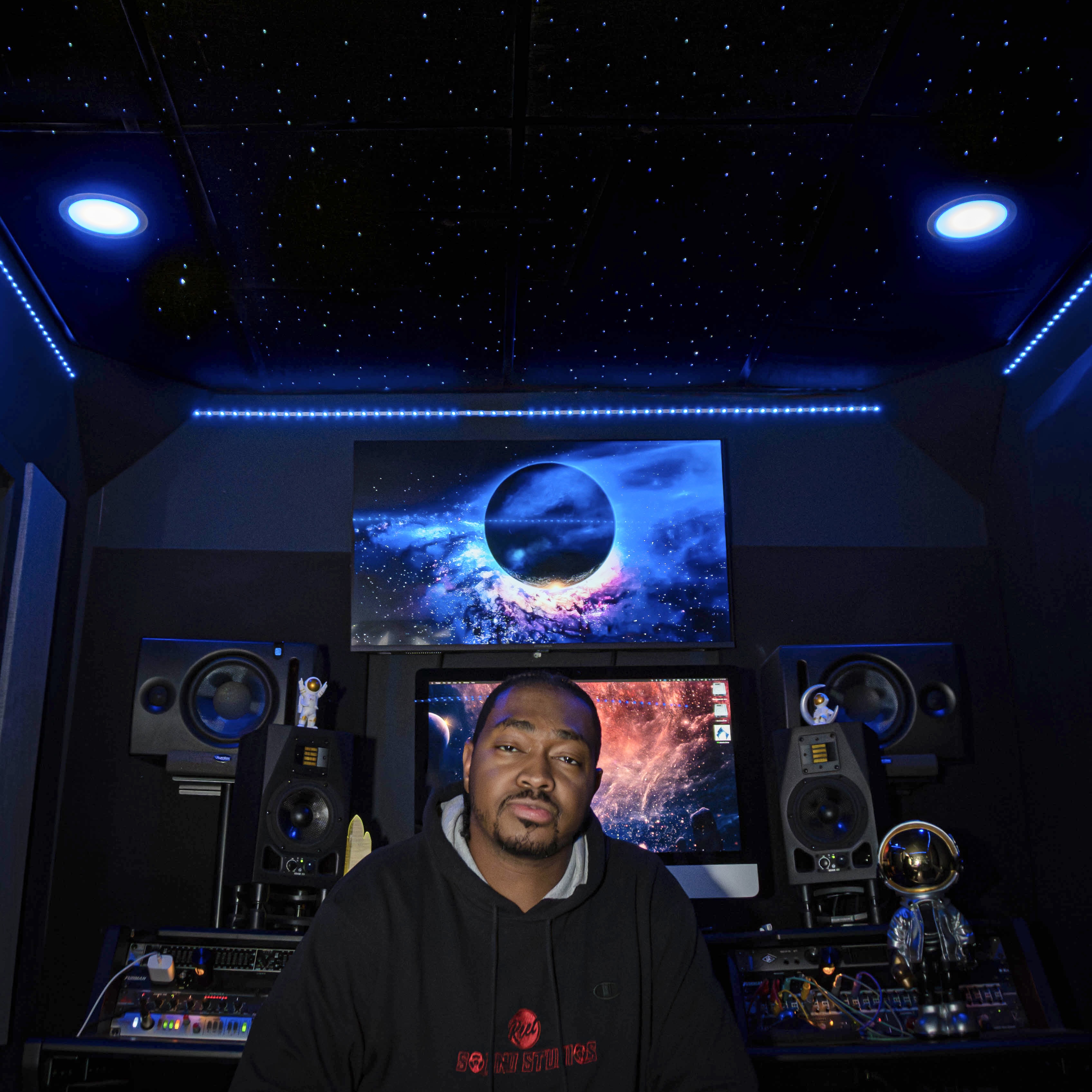
For engineer Jason Johnson, the session determines the role: sometimes he helps shape a song, and sometimes he gives the artist room to work. In this Q&A, he discusses the habits behind that flexibility, his move into professional ADR and the care he aims to offer every artist at Reel Sound Studios.
What did you learn early in your career that no school or tutorial would have taught you?
Early in my career, I learned how important it is to adapt to the session and understand what the talent needs from you, and be able to provide it. As an engineer I’ve worn many hats: songwriter, producer, arranger, I’ve completely changed beats artists brought in and helped guide the creative direction of a song. Some sessions need that level of involvement. Other sessions call for stepping back and giving the artist room to realize their vision. They may arrive with a producer and manager who know exactly what they want, or I may be recording a voiceover with a director leading the performance. Knowing when to lead, when to offer an idea, and when to listen is something I learned through experience. School gave me technical knowledge but experience helped me learn when and how to change my role to get the best of the session.
“Early in my career, I learned how important it is to adapt to the session and understand what the talent needs from you, and be able to provide it.”
What is a technique or piece of gear you rely on, and what would you do without it?
My favorite piece of gear is my favorite mix the Neumann U87. Buying it was a proud moment for me because I had admired that microphone long before I owned one. I’ve always thought of it as the “Just Blaze mic.” He’s been my favorite producer since I was a kid. I even made sure to get the same color as the one he used. That mic was used on some of my favorite albums, the black album, the blueprint, college dropout, confessions and American gangster just to name a few. It’s a microphone I rely on for a clean, professional vocal sound.
Walk us through a studio problem that forced you to make a fast decision. What did you hear, change, and learn?
Troubleshooting is part of the job in a studio. Not every session will go smoothly, and you have to be ready to adapt while keeping the artist comfortable and the session moving. A few years ago, I was recording a singer whose vocals weren’t coming through as cleanly as I wanted. The artist was starting to notice it too, so I needed to address it before it affected the energy of the session. I quickly swapped out some of the gear in the recording chain for a setup that better suited his voice. The recording improved, we kept going, and the session ended on a great note. That experience reinforced that every voice needs its own approach. Having a reliable setup is valuable, but knowing when to change it is just as important.
What is a system or habit that made your work more sustainable?
One thing that has made my work more sustainable is developing a session template that brings together the tools I know I’ll need. I’ve spent the last ten years building and refining it as my skills and workflow have evolved. Having that foundation ready saves me from repeating the same setup for every session and allows me to focus more on the person behind the microphone.
Which recent or upcoming credit best represents the engineer you are becoming, and what should people listen for?
A recent credit that best represents the engineer I am becoming is recording dialogue for an episode of RJ Decker. It was my first professional ADR session, and while there was a learning curve, working in film and television audio has always been a dream of mine. A dream that is starting to become a reality. I credit much of that progress to working closely with Kim Houston Acting School over the past few years. The experience I’ve gained has helped prepare me for these opportunities and opened doors into a field I’ve always wanted to explore.
How do you build enough trust to give honest feedback without disrupting the energy of a session?
For me, trust starts with making people feel comfortable. Comfort creates creativity and when they’re able to get in a creative space the trust and respect is earned. From there it is easy to not only give honest feedback but to give my own creative ideas to take their idea and potentially elevate it with ideas they might not have thought of.
“My favorite piece of gear is my favorite mix the Neumann U87.”
What standard do you hope your work sets for the people who come after you?
I hope my work sets a standard for quality, integrity, and how people deserve to be treated. I want to be known as someone who is honorable, reliable, and deeply invested in the people I work with. At Reel Sound Studios, that means giving someone recording for the first time the same care and enthusiasm I would give an experienced artist.